Restaurant Upselling Techniques That Work (And Ones That Backfire)
Every restaurant wants a bigger average bill. Few want servers who sound like they are reading a script. The good news is that the best upselling does not feel like selling at all: it feels like helpful advice, offered at the right moment.
Techniques for your team
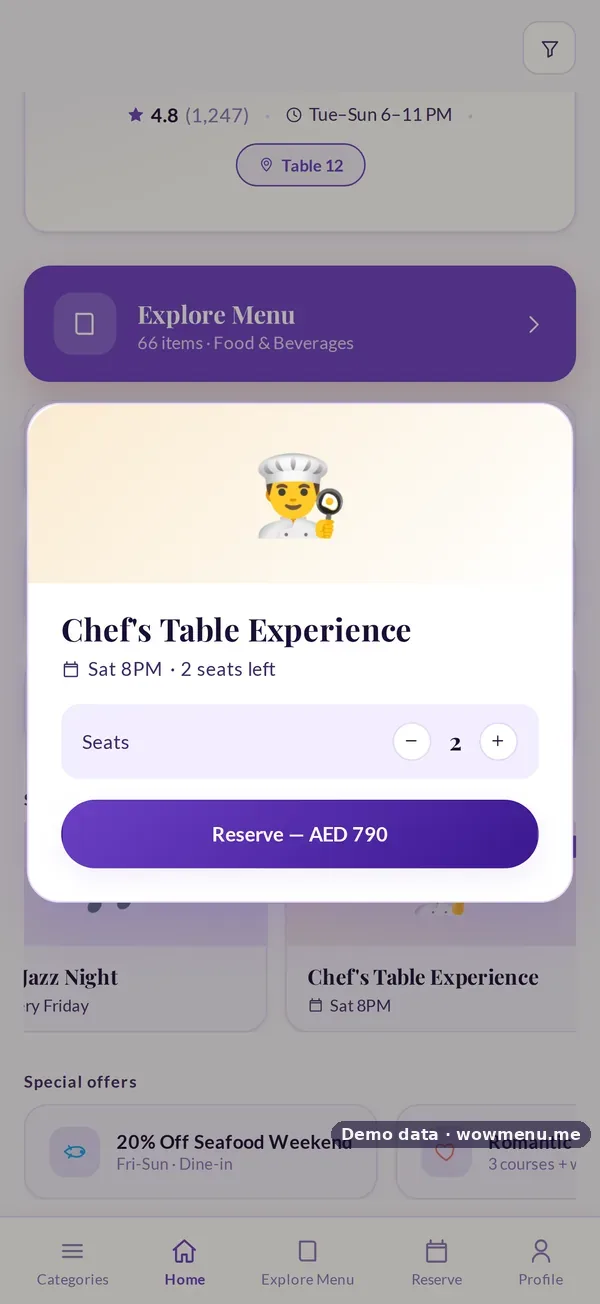
Suggest something specific. "Would you like a dessert?" invites a no. "The chocolate soufflé takes about fifteen minutes, shall I put one in now so it's ready with your coffee?" invites a decision.
Offer a choice, not a yes-or-no. "Sparkling or still?" sells more water than "Would you like water?", and it is a better service question anyway.
Pair, don't push. Link the suggestion to what the guest has already chosen: a side that suits the steak, a wine that suits the fish.
Time it. Starters when the table sits down, drinks as the mains arrive, dessert when plates are cleared. A suggestion at the wrong moment is just noise.
Read the table. A business lunch in a hurry wants speed, a celebration wants to be indulged. The same suggestion fails at one table and delights at the next.
Know the menu. Servers sell what they have tasted and can describe. A short tasting at the start of a new menu pays for itself.
Techniques for the menu itself
Your menu upsells at every table, all day, including when the floor is busy.
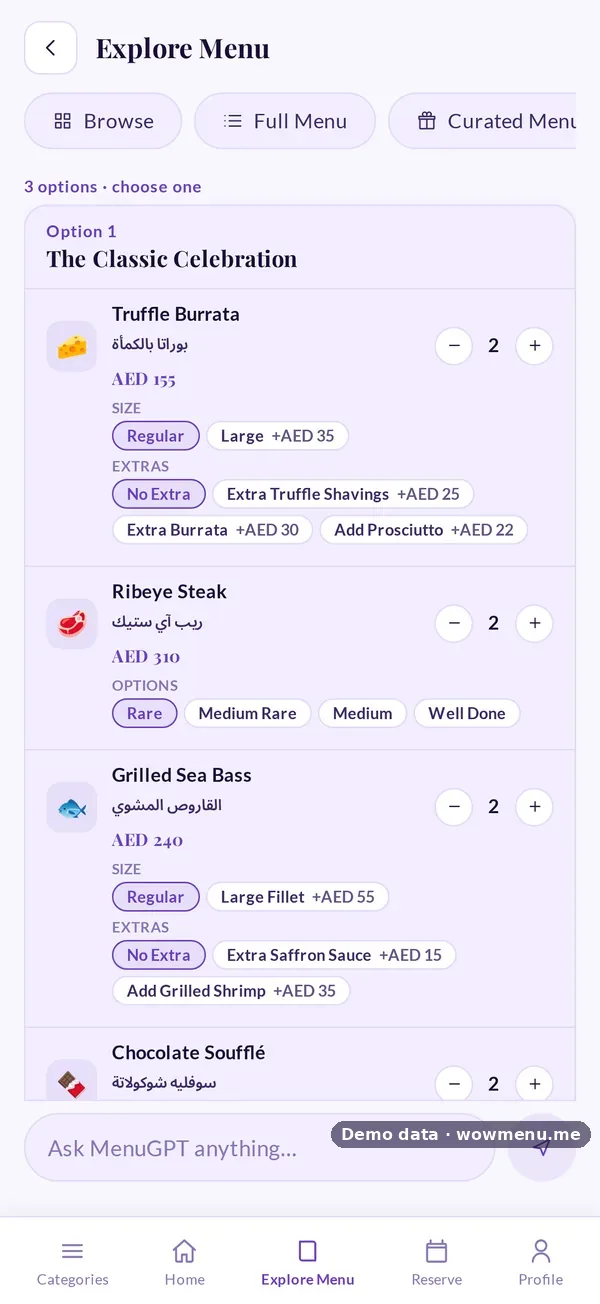
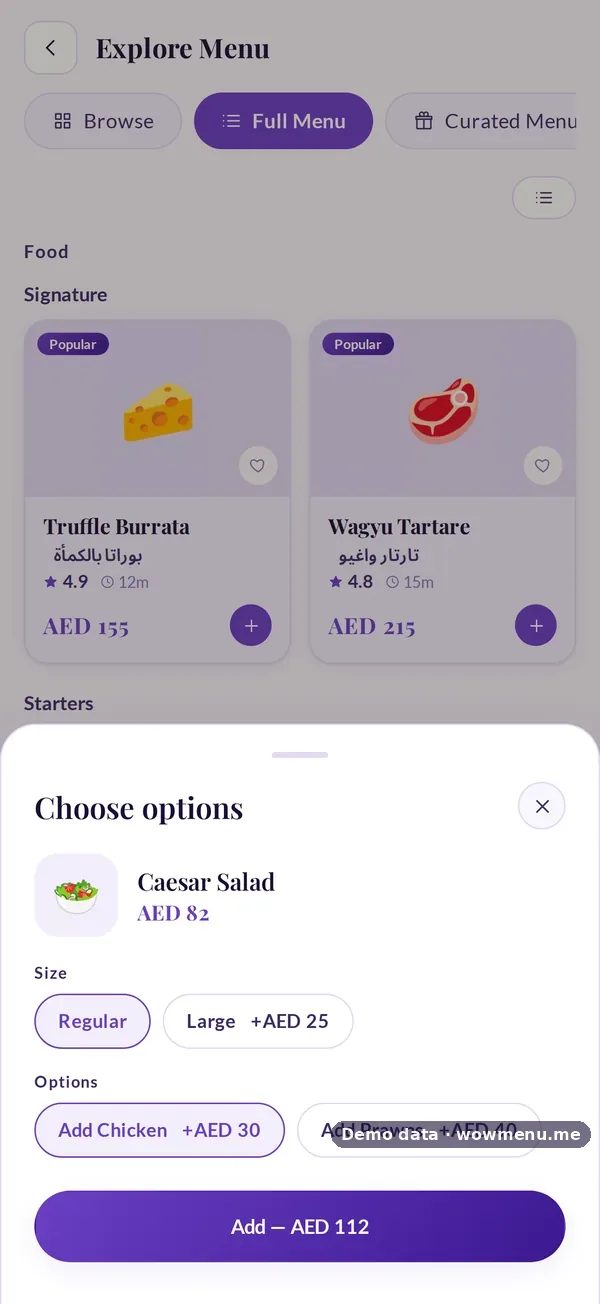
- Sizes and extras on the dish. Offering a large size or an extra topping at the moment of choice is the simplest upsell there is.
- Descriptions that sell. One honest, appetising sentence per dish does more than a list of ingredients.
- Pairings. Suggest the add-ons that genuinely go with each dish.
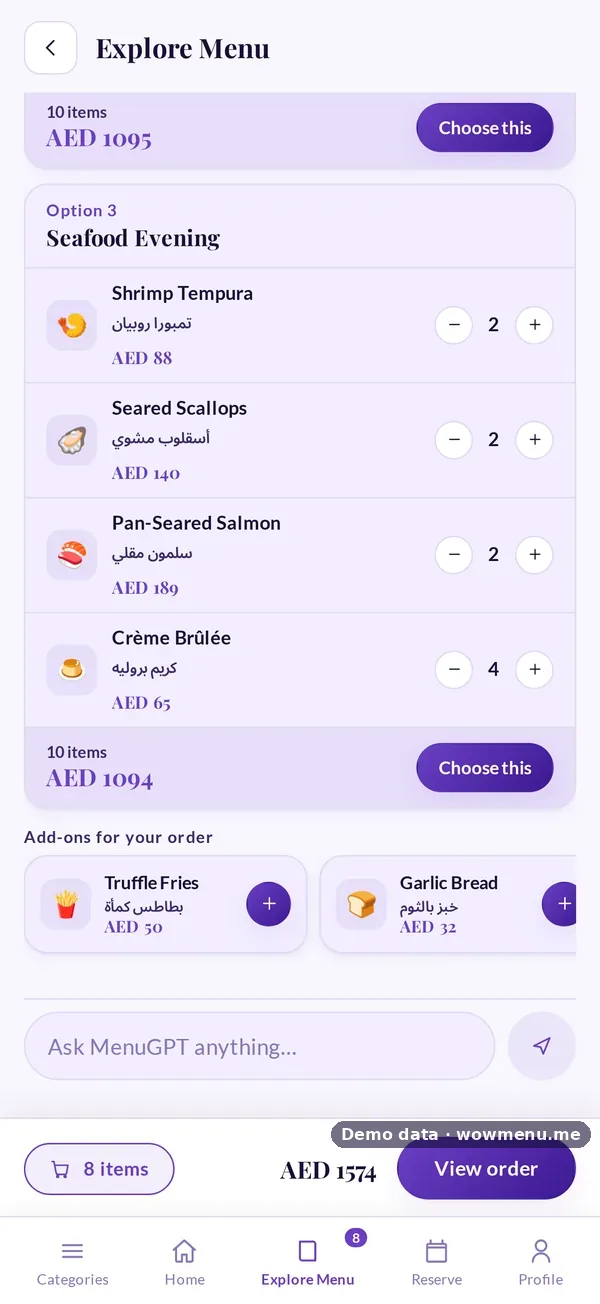
- Set menus and combos. A whole meal in one decision. More on combos and pairings.
Habits that backfire
- Upselling every table the same way. Guests notice the script.
- Interrupting payment. The moment a guest wants to leave is not the moment to sell.
- Suggesting what you cannot serve. Nothing damages trust faster.
- Discounting to upsell. A cheaper second item can cost more margin than it adds.
- Repeating a declined offer. Once is service; twice is pressure.
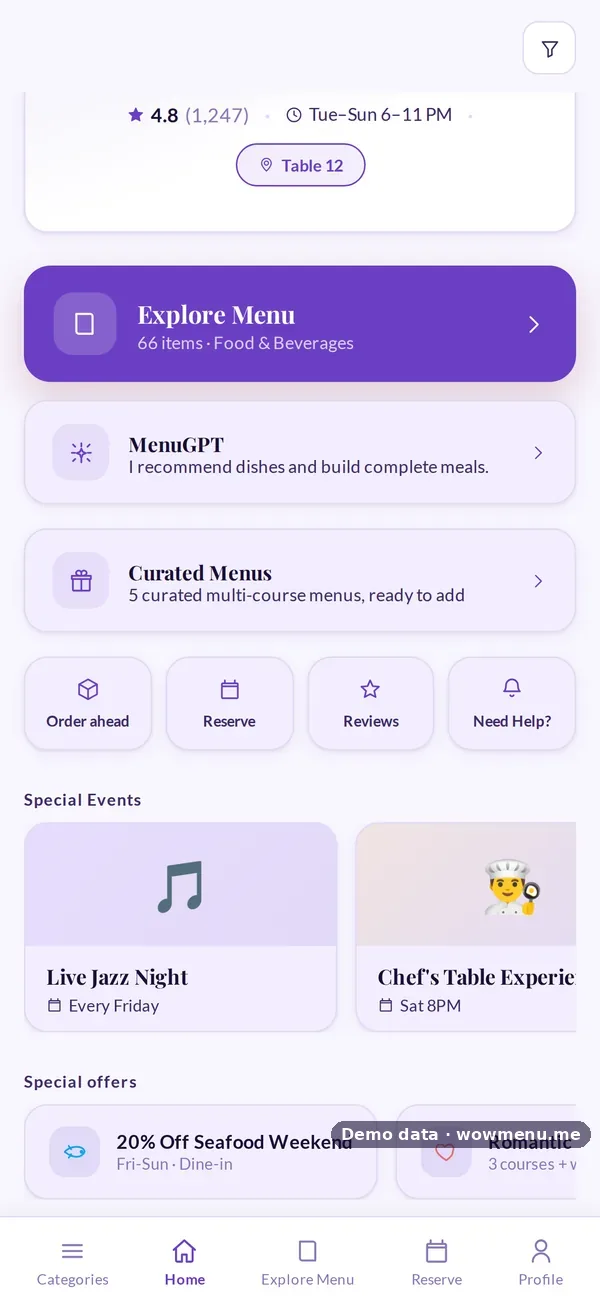
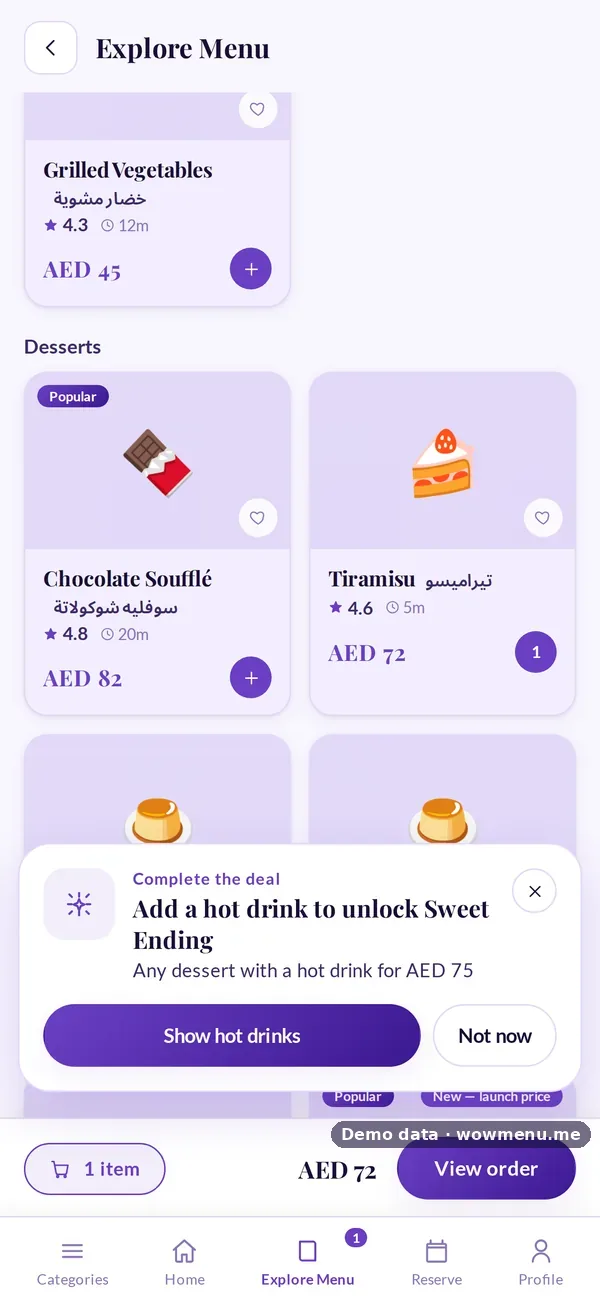
On a digital menu, the same rules should be built in. WowMenu spaces slide-ups out, never repeats a dismissed offer, and never interrupts checkout or payment.
Train for it, then measure it
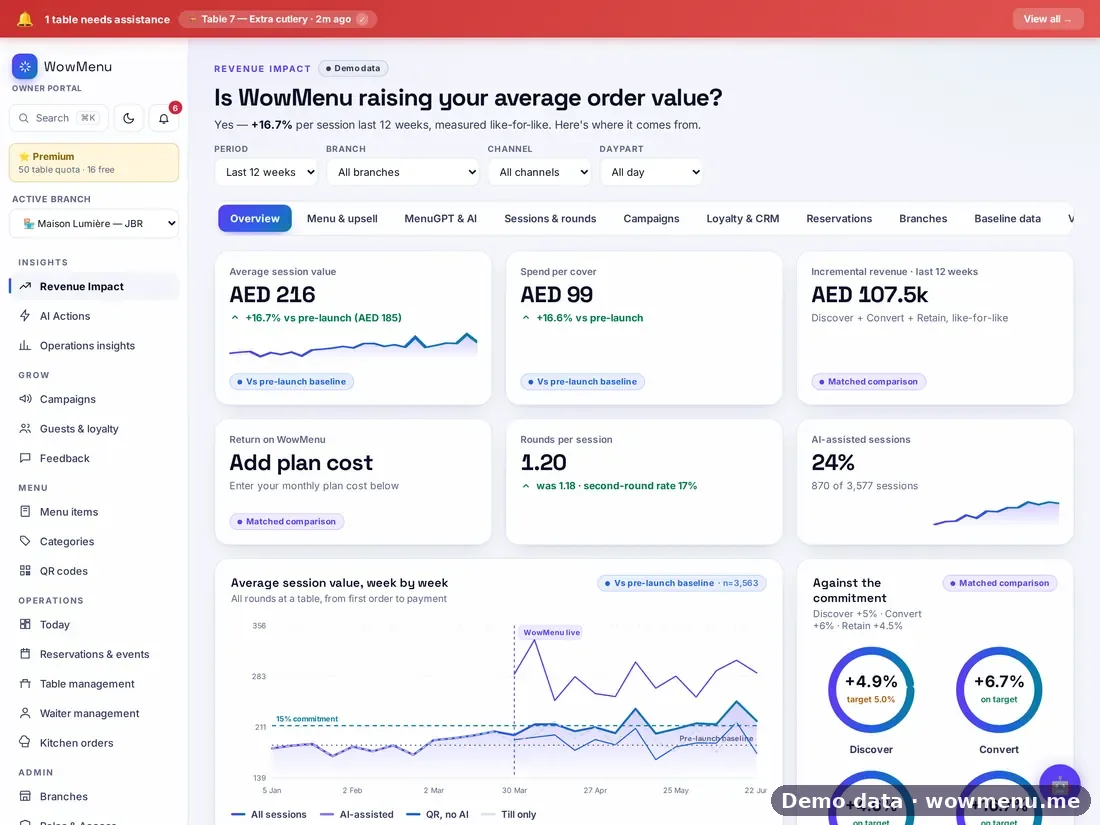
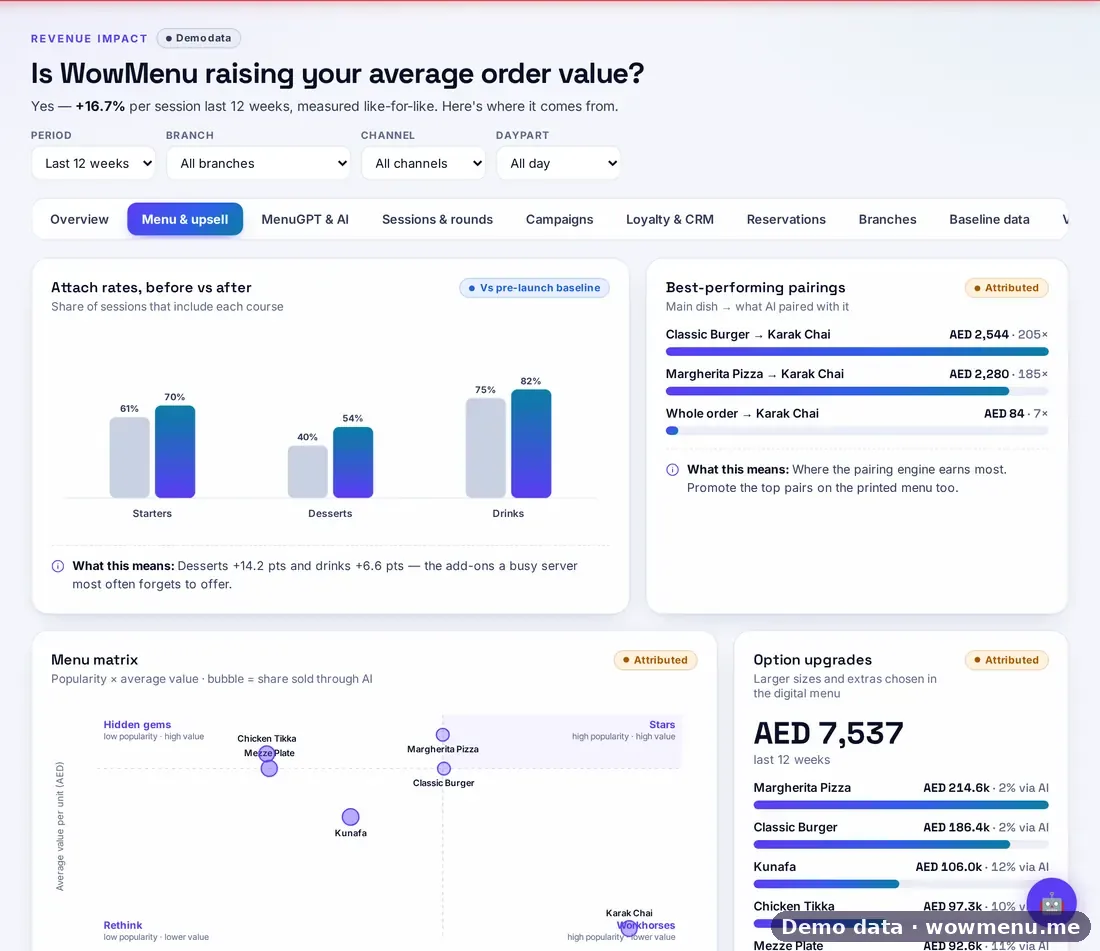
Pick two or three techniques, practise them in a pre-shift briefing, and watch one number per technique: dessert attach rate, drinks per cover, or the share of tables ordering a starter. Compare like with like, by day and daypart.
For the AI side, read what an AI upselling assistant actually does. For the full picture, see how to increase average order value without raising prices.